TRM Packaging Practical packaging for UK businesses

TRM Packaging

Practical packaging for UK businesses

Latest Articles

Cleared for Transit: A Packing-Bench Approach to UK Carrier Acceptance Standards
Operations & Efficiency

Cleared for Transit: A Packing-Bench Approach to UK Carrier Acceptance Standards

Carrier acceptance is decided long before a parcel reaches the counter. This practical guide explains why UK parcels are refused or surcharged, how to translate network rules into packing-bench standards, and what a daily pre-despatch checklist should cover in 2026.

Presentable and Postal-Proof: Setting a Packing Standard for Product Samples
Operations & Efficiency

Presentable and Postal-Proof: Setting a Packing Standard for Product Samples

Samples sent to retail buyers, trade-show stands and press contacts occupy an awkward middle ground: too few for volume pricing, too visible to be packed carelessly. This guide sets out a repeatable standard for sizing, protection, presentation, labelling and reuse that holds up at low volumes.

Proof Before the Seal: Claim-Ready Packaging Records for UK Despatch Teams
Operations & Efficiency

Proof Before the Seal: Claim-Ready Packaging Records for UK Despatch Teams

Courier damage claims are rarely resolved on argument alone. This guide explains how UK despatch teams can build a proportionate packaging evidence file—photographs, specifications, packing methods and retained samples—that supports claims and reveals repeat failure points.

The Unboxing Promise: Engineering Gift Presentation to Survive the Courier Network
Seasonal Fulfilment

The Unboxing Promise: Engineering Gift Presentation to Survive the Courier Network

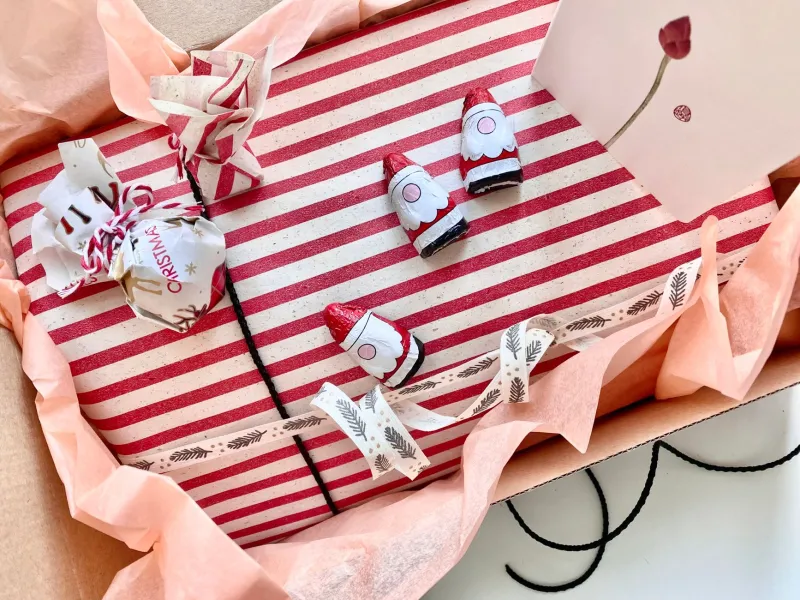
Gift-ready packaging photographs beautifully but is rarely specified with the same rigour as protective packaging. This article examines how rigid boxes, tissue, ribbon and sleeves behave inside UK courier networks, and sets out a December test routine and a cost framework for deciding when a gift-ready outer is genuinely cheaper than wrapping at the bench.

Engineering the Letterbox Fit: Slim Packaging That Survives the Journey
Operations & Efficiency

Engineering the Letterbox Fit: Slim Packaging That Survives the Journey

A slim parcel can move through a lower postage band, but only if it stays within the carrier's thickness limit after packing, closing and labelling. This guide sets out a practical thickness budget, simple bench checks and the cases where a parcel box remains the better choice.

A Handle on Access: Designing Parcels That Open Without a Struggle
Operations & Efficiency

A Handle on Access: Designing Parcels That Open Without a Struggle

Most packaging checks end when the parcel leaves the depot. The final test happens on a doorstep, often with one free hand and limited grip strength. This article outlines a practical way to assess opening force, tape placement and inner-pack access without compromising tamper evidence or margin.

Many Journeys, One Pack: Making Returnable Transit Packaging Pay Its Way
Operations & Efficiency

Many Journeys, One Pack: Making Returnable Transit Packaging Pay Its Way

Rental, repair and resale models ask a parcel to survive dozens of journeys rather than one. This guide sets out how UK businesses can select returnable cases, mailers and inserts, test them honestly, manage deposits and returns, and judge the whole exercise on cost per cycle rather than cost per unit.

Fewer Boxes, Better Parcels: Trimming a Packaging Range Without Losing Protection
Operations & Efficiency

Fewer Boxes, Better Parcels: Trimming a Packaging Range Without Losing Protection

Packaging ranges tend to expand quietly, one special case at a time, until the shelves are full and the picking decisions are harder than they should be. This guide sets out how UK businesses can audit existing sizes against real despatch data, consolidate where it is genuinely safe, and prove a smaller range before retiring anything.

The Unit That Ships: Rethinking Packaging When Wholesale Cases Give Way to Single Parcels
Operations & Efficiency

The Unit That Ships: Rethinking Packaging When Wholesale Cases Give Way to Single Parcels

When a business moves from palletised case packs to individual e-commerce parcels, the unit of shipping changes and every packaging assumption built around it expires. This guide sets out how to reselect outer cartons, recompute void fill and rebuild closure methods, then validate the new format at realistic volumes.

Empty Centimetres, Real Invoices: A Chargeable-Weight Audit for UK Packing Benches
Operations & Efficiency

Empty Centimetres, Real Invoices: A Chargeable-Weight Audit for UK Packing Benches

Dimensional weight can turn a light parcel into an expensive one. This bench-level audit shows UK packers how to measure representative orders, compare chargeable and actual weight, and test right-sized cartons before changing a specification.

The Third Handling: Packaging for Parcel Lockers and Click-and-Collect Counters
Operations & Efficiency

The Third Handling: Packaging for Parcel Lockers and Click-and-Collect Counters

Click-and-collect and parcel lockers add a handling stage that many packaging specifications still ignore. This guide sets out how UK businesses can size, specify and label parcels for locker compartments and collection counters without sacrificing protection.

Label Geometry and the First-Time Scan: A Packing-Bench Guide for UK Couriers
Operations & Efficiency

Label Geometry and the First-Time Scan: A Packing-Bench Guide for UK Couriers

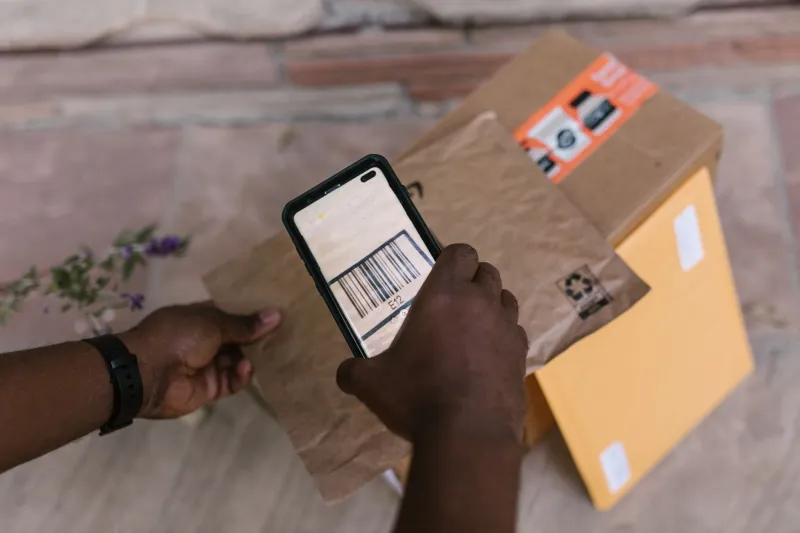
A parcel that cannot be scanned at the first attempt creates avoidable delay at every subsequent stage. This guide examines label geometry, contrast, curvature and wrap interference as practical packaging variables that UK operations teams can specify, test and check at the bench.

The Kerbside Reality Check: Designing UK Packaging for What Councils Actually Collect
Compliance & Sustainability

The Kerbside Reality Check: Designing UK Packaging for What Councils Actually Collect

Recyclability logos on packaging often promise more than local councils can deliver. This article examines the gap between design claims and kerbside collection reality, offering a practical checklist for UK businesses to create packaging that households can flatten, separate and present for collection without confusion.

Shelf, Trolley, Repeat: Testing New Packaging Against the Real Delivery Route
Operations & Efficiency

Shelf, Trolley, Repeat: Testing New Packaging Against the Real Delivery Route

Warehouse trials rarely expose the constraints that decide whether a case survives the delivery route. This article sets out a practical van-shelf test for UK SMEs, covering shelf clearances, route bags, trolley widths and repeated loading before a new packaging specification is signed off.

Cold-Weather Closure Assurance: Keeping Tape, Labels and Glue Reliable Across a UK Winter
Operations & Efficiency

Cold-Weather Closure Assurance: Keeping Tape, Labels and Glue Reliable Across a UK Winter

Winter parcel failures often start at the seam, label corner or glued join rather than in the box itself. This practical guide explains how low temperatures, condensation and recycled-board dust affect closures, and sets out a simple bench test for UK fulfilment teams preparing for the November to February cycle.

Grip, Balance, Open: Designing Parcels for the Realities of UK Handling
Operations & Efficiency

Grip, Balance, Open: Designing Parcels for the Realities of UK Handling

Parcel specifications often focus on dimensions, board grade and unit cost, yet real handling begins with a courier carrying several boxes and ends with a customer opening one on a wet doorstep. This guide sets out a practical review routine for grip, balance, opening and damage prevention.

The Packing Bench Stopwatch: What Flat-Pack Cases Really Cost per Parcel
Operations & Efficiency

The Packing Bench Stopwatch: What Flat-Pack Cases Really Cost per Parcel

Flat-pack cases release warehouse space, but the labour of erecting them is rarely captured in a unit price. This article sets out a stopwatch-based method for calculating the true cost per packed parcel and the volumes at which pre-erected formats begin to pay.

Rain-Ready Parcels: Protecting Goods on the UK Doorstep
Operations & Efficiency

Rain-Ready Parcels: Protecting Goods on the UK Doorstep

UK couriers often leave parcels in porches, under hedges or beside bins, where brief rain can weaken paper-based packaging. This guide explains how moisture affects corrugated board, paper tape and void fill, and sets out a simple wet-doorstep test and cost rules for weather-resistant outers.

Small-Batch Proof: Validating New Packaging Before a Full Production Run
Compliance & Sustainability

Small-Batch Proof: Validating New Packaging Before a Full Production Run

UK SMEs can test a new box, bag or insert without ordering thousands of units. A small-batch trial with simple drop tests, fit checks and clear records gives evidence for damage performance, material reduction and compliance claims.

One Parcel or Several? A Framework for Mixed-Basket E-commerce
Operations & Efficiency

One Parcel or Several? A Framework for Mixed-Basket E-commerce

Mixed-basket orders force UK e-commerce teams to choose between several parcels and one oversized box. This framework weighs landed cost, damage exposure, courier handling and material waste, with worked examples for common baskets.