Cutting Packaging Costs Without Cutting Corners: Seven Practical Changes for UK SMEs
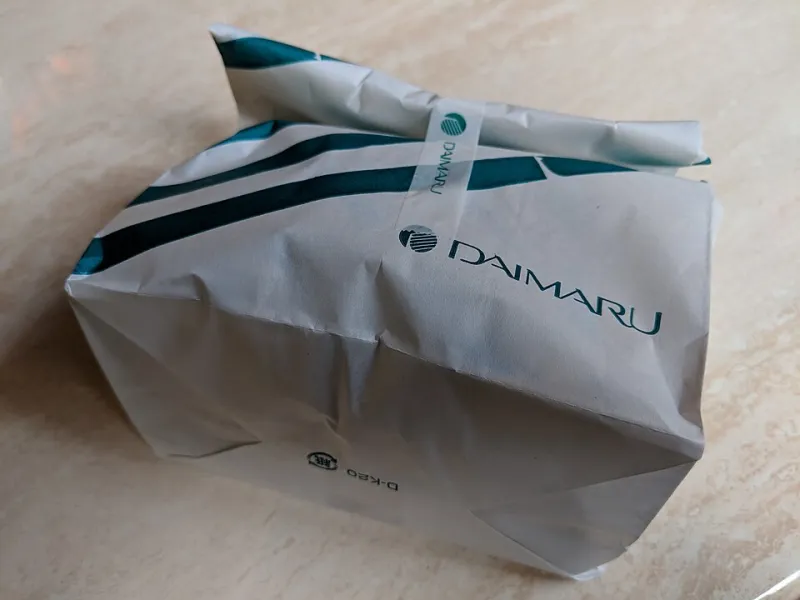
Photo: Michael Ocampo from United States, CC BY 2.0, via Wikimedia Commons
A pragmatic route to lower packaging spend
For many UK SMEs, packaging is a line item that receives attention only when costs rise or a customer complains. Yet the most useful improvements are rarely dramatic. They are small, repeatable changes that reduce material use, simplify fulfilment and, in several cases, lower unit costs. The seven changes below are not a prescription for every business. They are practical options to test in 2026, with indicative savings and an honest view of where performance may differ.
1. Right-size boxes before changing material
Oversized boxes are expensive three times over: they use more board, require more void fill and can trigger dimensional weight charges from carriers. A simple order-profile review often shows that two or three additional box sizes would cover most dispatches. Variable-depth boxes can also reduce the number of SKUs while allowing a closer fit.
Indicative saving: 10–25% on board and void fill for affected orders; potentially more where carrier dimensional charges apply.
Sourcing tip: ask suppliers for a mixed pallet of the proposed sizes and trial them on the five most common order profiles. Check that the board grade still meets transit requirements.
Reality check: right-sizing fails if staff default to the largest available box. Label storage bays clearly and remove obsolete sizes from the packing bench.
2. Swap loose fill for paper void fill
Paper void fill is not automatically cheaper per cubic metre than plastic alternatives, but it can reduce material complexity and improve kerbside recyclability in many UK households. When bought in bulk and used with a compact dispenser, the cost per parcel can be competitive, particularly for lighter items.
Indicative saving: 5–10% on void-fill spend where paper replaces a mix of air pillows and bubble wrap; savings depend on volume and dispenser discipline.
Sourcing tip: specify recycled kraft paper and check whether it is accepted in local kerbside collections. Ask for a dispenser trial rather than buying a full year upfront.
Reality check: paper is heavier than air pillows and may not suit very fragile items without additional protection. Test drop performance before switching high-value lines.
3. Use recycled paper mailers for non-fragile items
Padded envelopes and plastic mailers are convenient, but recycled paper mailers can be a lower-cost option for apparel, books and other non-fragile goods. They also present a simpler recycling message.
Indicative saving: 5–15% per unit compared with some padded envelopes, based on mid-volume UK pricing.
Sourcing tip: check tear strength, adhesive quality and whether the mailer is available in half sizes. Ask for a sample pack and test with typical contents.
Reality check: paper mailers offer less cushioning. They are not a direct replacement for padded protection on fragile products.
4. Replace double-boxing with corrugated inserts
Double-boxing is sometimes necessary, but it is often used as a default. A custom or stock corrugated insert can hold a product securely inside a single box, reducing board use and labour.
Indicative saving: 15–30% on corrugated material for affected lines; additional savings from lower assembly time.
Sourcing tip: start with stock inserts and die-cut fitments before committing to a bespoke tool. Ask for a sample run of 50–100 units.
Reality check: inserts must be tested for transit performance. A poorly designed insert can increase damage and wipe out material savings.
5. Remove unnecessary poly bags where product protection allows
Poly bags are often added out of habit. For products that are already boxed or protected by a paper wrap, removing the inner bag can save money and reduce plastic use. This is not suitable for every category, particularly items exposed to moisture or handling damage.
Indicative saving: 2–5p per order where a bag is removed; the larger gain is often reduced packing time.
Sourcing tip: review your product categories and identify lines where the bag serves no protective function. Confirm with your fulfilment team before changing.
Reality check: some retailers require poly bags for returns or hygiene reasons. Check customer and marketplace requirements first.
6. Consolidate packaging SKUs
A long tail of box sizes, tape widths and mailer formats creates hidden costs: lower volume discounts, more storage space and more chance of picking the wrong item. Rationalising to a smaller range can improve buying power and simplify training.
Indicative saving: 5–10% through better volume pricing and reduced slow-moving stock.
Sourcing tip: list every packaging SKU used in the last 12 months, flag those used fewer than 50 times, and test whether a nearby size can absorb the demand.
Reality check: consolidation should not force inappropriate packaging. Keep enough variety to protect products properly.
7. Trial paper tape on the busiest packing bench
Paper tape is often presented as a straightforward plastic swap. In practice, unit costs vary widely. It can be more expensive than plastic tape, but it may reduce mixed-material packaging and support customer recycling messages. The savings case is strongest where tape is bought in larger volumes and where the business values a single-material parcel.
Indicative saving: limited direct unit saving; some businesses report 1–3p per parcel lower total costs when reduced tape waste and simplified recycling messaging are included.
Sourcing tip: test water-activated and self-adhesive paper tapes on your actual board. Recycled board can be dusty, so adhesion matters.
Reality check: paper tape may not suit high-speed dispensers or very heavy boxes. Run a trial before changing your standard.
How to choose the first change
Start with the change that addresses your largest cost driver, not the one that sounds most sustainable. A business sending 2,000 parcels a month will usually find more value in right-sizing and SKU consolidation than in switching tape. A business with a small number of high-value fragile orders should prioritise protection and test any material change carefully.
Set a simple trial: one packing bench, 100–200 orders, and three measures — material cost per parcel, damage rate and pack time. If the change does not improve at least one measure without harming the others, it is not ready for wider rollout.
A note on claims
UK businesses should avoid vague environmental claims. If a swap is described as recyclable, check that the material is accepted in kerbside collections and label it clearly. If it contains recycled content, state the percentage where possible. The most credible packaging change is one that reduces material use and can be explained simply to customers.