One Parcel or Several? A Framework for Mixed-Basket E-commerce

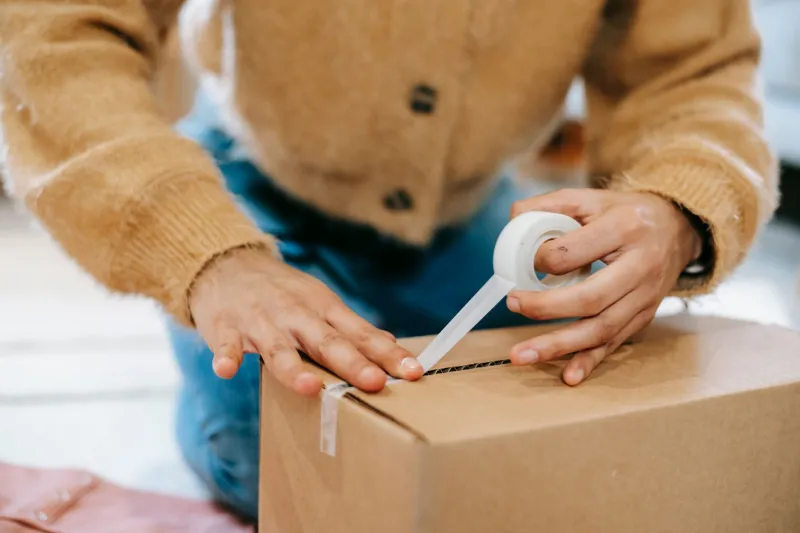
Photo: mixed basket ecommerce packaging boxes packing bench UK warehouse, via 1.bp.blogspot.com
Begin with the basket, not the box
A UK shopper can fill a basket with a scented candle, a ceramic mug, a folded shirt and a bottle of sauce. At the packing bench, those items present an awkward question: should they travel in one parcel or several? The answer is not simply whether they fit. It is whether they can be packed, carried and delivered without avoidable cost or damage. Mixed-basket e-commerce makes that decision daily, and a repeatable framework is more useful than a rule of thumb.
Four costs that should shape the choice
The first cost is material and labour. One large box may use more board and void fill than two smaller boxes, and it may take longer to pack because the packer must build a stable internal structure. Two simple parcels can sometimes be packed faster, even though they use two labels and two sealing operations.
The second is carriage. UK parcel networks typically charge on the greater of actual weight and volumetric weight. A large, light box can therefore cost more to send than its physical weight suggests. Multiple parcels may each attract a base charge, a collection charge or a surcharge. The comparison should be made on the total carriage cost for the complete order, not on the headline rate for one parcel.
The third is damage and returns. Every additional parcel creates another handling event, but a crowded single parcel creates internal movement. The relevant question is not how many boxes are used; it is how much the product can move and what will happen when the parcel is dropped, stacked or compressed.
The fourth is sustainability and compliance. More parcels usually mean more material, more labels and more delivery mileage. A single oversized box can, however, require excessive void fill and may breach a business's own right-sizing targets. The better option is the one that uses the least material and volume while still protecting the goods.
Damage risk is about movement, not parcel count
Fragile items fail when energy is transferred to them. In a single box, that energy can arrive through another item, through the box wall or through the base. A ceramic mug placed beside a heavy bottle is at risk even if both are surrounded by paper. A divider, a retained inner pack or a moulded insert may solve the problem, but only if the packer can assemble it consistently.
Liquids need particular care. A bottle should be sealed, bagged and kept upright where possible, with absorbent material around it. Soft goods can cushion, but they can also compact under load and allow movement. Heavy items should be restrained at the base or sent separately if the box cannot be reinforced. The aim is to remove movement, not to fill empty space indiscriminately.
The dimensional weight trap
A common error is to choose the largest box that fits the basket and then fill the remaining space. That approach can be expensive. Volumetric weight is calculated from length, width and height, so a box that is 20 per cent too large in each dimension can attract a significantly higher carriage charge. It also needs more void fill and may be harder to handle.
Multiple parcels are not automatically cheaper. Each parcel has its own minimum charge and its own tracking event. Splitting an order can also create a poorer customer experience if the items arrive on different days. Where a split is necessary, it should be a deliberate choice with clear communication, not an accident of the packing bench.
A practical compromise is to keep a small range of box sizes and test the basket against each one. The packer then selects the smallest configuration that passes the internal movement check. This reduces decision time and makes carriage costs more predictable.
Sustainability trade-offs
The environmental comparison is not as simple as one box versus two. A single box may use less total material, but only if it is right-sized and does not need a large volume of void fill. Two boxes may use more board but less plastic film or paper. Recyclability, recycled content and the destination of the material all matter.
UK businesses should also consider packaging data and producer responsibility obligations. Over-sized packs increase material weight and can affect reported packaging volumes. Right-sizing is therefore both an operational and a compliance measure. The strongest choice is usually the one that removes unnecessary volume and keeps the remaining material easy to recycle.
Worked examples
Example one: a ceramic mug, a cotton shirt and a small cosmetic jar. A single medium box with a corrugated divider and a small amount of paper void fill may be the best option. The divider keeps the mug away from the jar, and the shirt fills the remaining space without being used as the only cushion. Before adopting the pack, the business should run a short drop test with the actual products.
Example two: a 750ml glass bottle of sauce, a paperback book and a pair of socks. The leakage risk makes a single parcel less attractive unless the bottle can be bagged, restrained and kept away from the book. A split shipment may be justified: the bottle in a protective parcel and the dry goods in a letterbox-sized or small parcel. The carriage cost of two parcels should be compared with the damage and cleaning cost of a failure.
Example three: a small heavy dumbbell and a lightweight lamp. The weight difference is the deciding factor. If the dumbbell can move, it will damage the lamp. A single box is possible only with a strong base and a fixed internal divider. Otherwise, two parcels are the safer choice, even though the order becomes less convenient for the customer.
A short decision sequence
First, identify fragile, heavy and liquid items. Second, check whether the proposed box allows movement; if it does, redesign the internal pack or split the order. Third, calculate volumetric weight and total carriage for both options. Fourth, compare material, labour and damage exposure. Fifth, consider the customer experience of a split delivery. Sixth, test the chosen pack if the decision is close. Finally, record the decision so that packers and customer service teams apply it consistently.
Mixed baskets will always require judgement. A framework does not remove that judgement, but it prevents the two most common failures: choosing a box because it is the only one on the bench, and splitting an order without counting the full cost. Right-sized single parcels and deliberate splits both have a place. The task is to know which is which before the parcel leaves the building.